

Window film to reduce heat but keep light is a smart upgrade for anyone trying to cut home cooling costs without living in the dark. Instead of heavy drapes or blackout shades, these films aim for the sweet spot: blocking heat while letting most daylight through. In this guide, you’ll get realistic, step-by-step instructions, crucial facts, and hard-learned tips to make your project a success—avoiding costly mistakes and disappointment.
Key Takeaways
- Window films can noticeably reduce indoor heat while keeping rooms bright, but quantifying exact AC savings is tough due to limited research.
- Choosing the right film and installing it correctly are essential to minimize common issues like haze, peeling, or lost daylight.
- Warranties, UV protection longevity, and proper prep are often overlooked—get familiar with these before making a purchase.
- How Window Film to Reduce Heat but Keep Light Works
- Step-by-Step Guide: Installing Heat Reducing, Daylight-Friendly Window Film
- Advanced Analysis & Common Pitfalls
- Conclusion
- FAQ
How Window Film to Reduce Heat but Keep Light Works
Most homes lose up to 30% of their heating and cooling through windows, according to the U.S. Department of Energy. Modern window films target solar heat gain—mainly infrared and some UV rays—without darkening your space. The technology uses coatings that are nearly invisible to the human eye but reflect or absorb heat-producing wavelengths, letting visible light pass through. This makes the films ideal if you want to cool a room without relying on heavy curtains or shades.
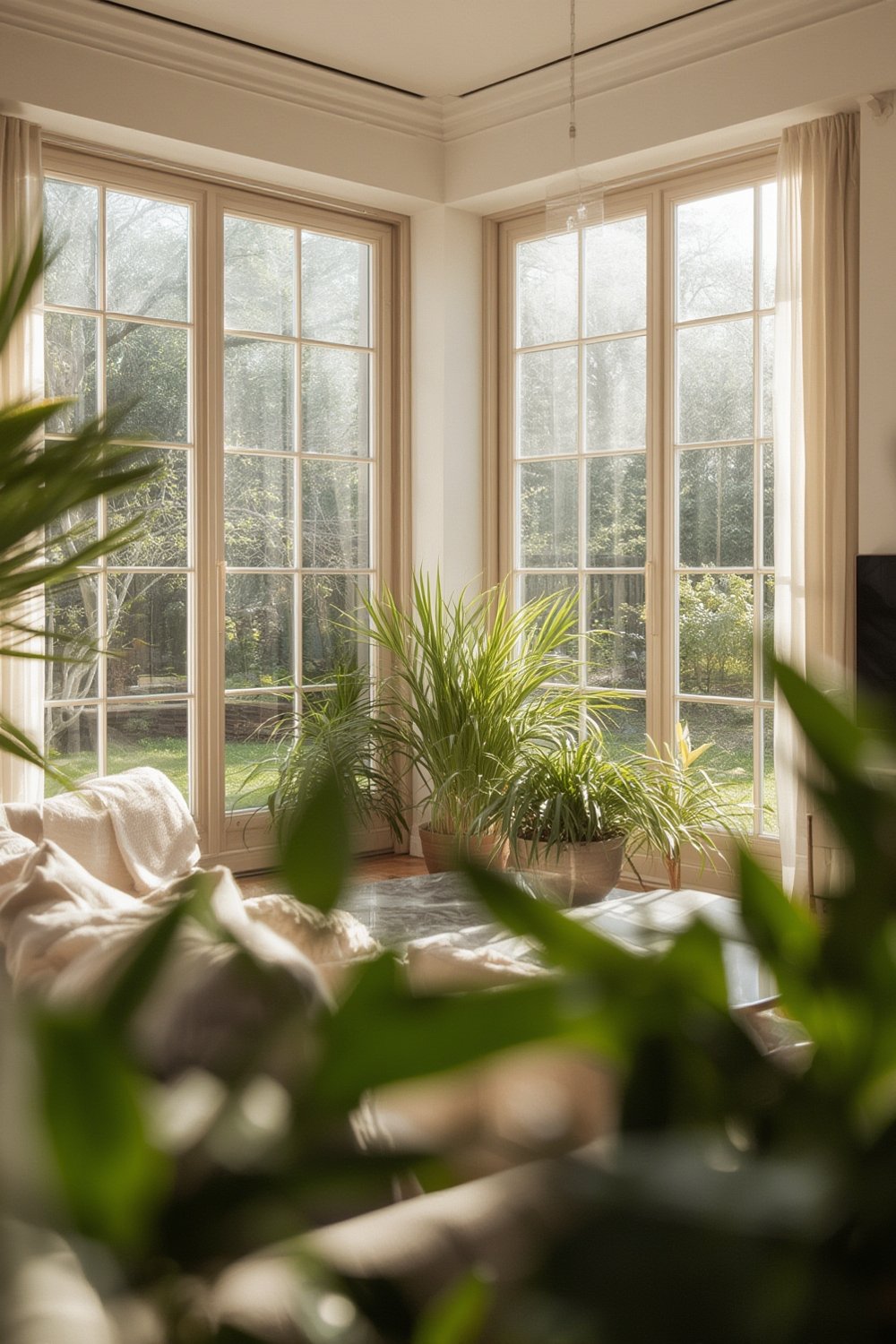
The best films balance three things:
- Visible Light Transmission (VLT) – How much daylight gets through. Higher = brighter.
- Total Solar Energy Rejection (TSER) or Solar Heat Gain Coefficient (SHGC) – Lower values mean less heat enters.
- UV Blockage – Protects furnishings and your skin.
If you have rooms that suffer from afternoon heat but feel gloomy with standard window coverings, upgrading to film (rather than blinds or motorized shades) can make a real difference. Even renters can try peel-and-stick home solutions, with removable film options available.
Though the DOE confirms that up to 76% of sunlight on double-pane glass turns into heat in summer [DOE Source], exact AC energy savings for “light-friendly” films in 2026 remain unreported. Still, older studies suggest measurable benefits—just keep your expectations practical and factor in local climate.
Step-by-Step Guide: Installing Heat Reducing, Daylight-Friendly Window Film
- Pick Your Film: The right window film to reduce heat but keep light should balance VLT, TSER/SHGC, and UV rejection. Clear films (sometimes called “spectrally selective”) work best when you want sun without the heat. Established brands like 3M and Gila post tech specs for most models, though recent releases may not have public data. Visit their sites or certified dealers whenever possible.
- Gather Supplies:
- Film (custom cut is easiest for large windows)
- Application kit (spray bottle with application solution, squeegee, utility knife)
- Lint-free cloths, tape, and ruler
- Optional: digital UV meter for true test results
- Prep the Glass: Clean window thoroughly, scraping off paint and removing dust. Any debris will cause bubbles or weaken adhesion, which are the main causes for complaints about haze or early peeling. Consider taping window frames to avoid overspray.
- Cut and Wet: Trim the film with 1” excess on each side. Spray both glass and film adhesive side with the application solution before you apply—insufficient wetting makes repositioning and bubble removal harder later.
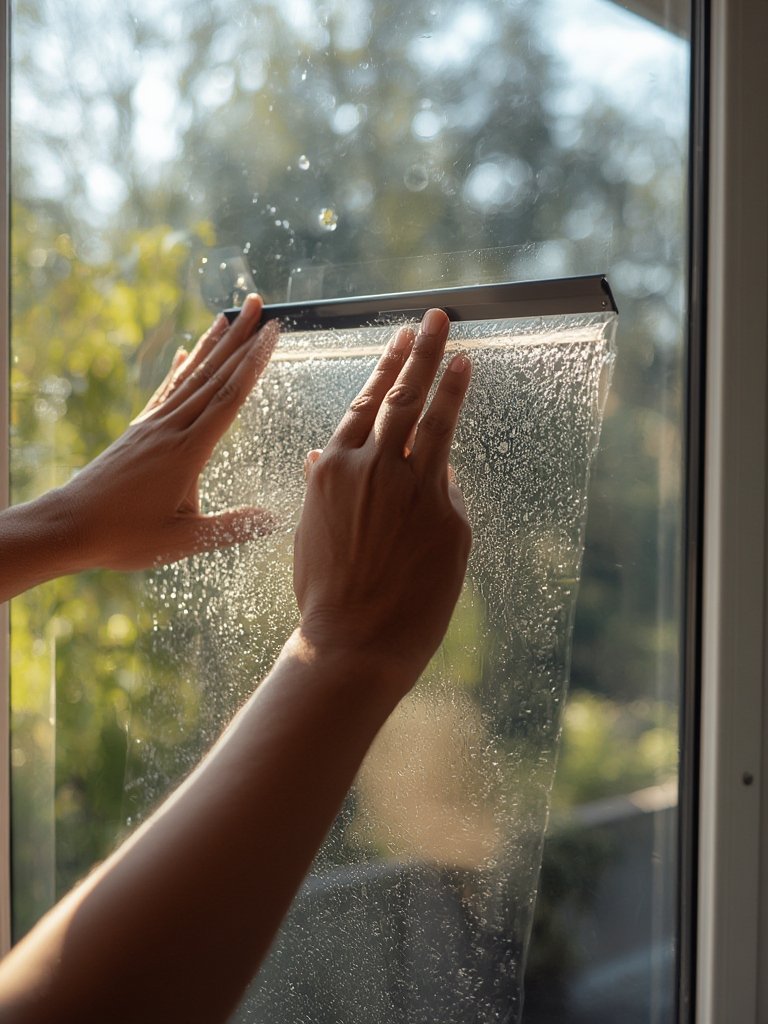
- Apply Film: Line up film at the top edge and use a squeegee to slowly push air and fluid to the sides as you work downward. Work from the center outwards to avoid trapping pockets. Keep your squeegee moist to glide and avoid scratching.
- Final Trim, Squeegee Again, and Inspect: Use a sharp utility knife or blade to finish edges. Press out any small bubbles. Inspect against bright light to spot haze or corners that could lift with time.
💡 Pro Tip: Install window film in early morning or late afternoon—never in direct sun or on hot glass. Heat causes rapid drying, making bubbles and peeling more likely.🔥 Hacks & Tricks: Use a stainless steel window squeegee instead of the plastic one in most kits—the thin, firm edge provides far fewer streaks and presses out smaller bubbles, giving a more professional result.
Some homeowners go further for year-round comfort, pairing film with ceiling fan tweaks. Knowing the right ceiling fan direction for AC can help push cool air down after the heat load is reduced by the film.
For renters or those looking for non-permanent upgrades, removable films can be a smart companion to garage door insulation kits or DIY outdoor plumbing fixes for maximum summer comfort.
Advanced Analysis & Common Pitfalls
Few upgrades look as simple as window film to reduce heat but keep light, but real-world results depend heavily on product quality, installation skills, and aftercare. Here are the practical drawbacks and hurdles:
- Visible Haze: Most complaints stem from subpar surface prep (residual cleaning solution, lint) or uneven application. Even trusted films like Gila and 3M can appear foggy if not installed precisely.
- Peeling and Edge Lift: DIY jobs that skip edge-sealing or direct sunlight during installation often develop peeling corners within months. This leads to early failure and voided warranties.
- Loss of Daylight: Tinted or mirrored films typically block more heat, but they cut more visible light. “Spectrally selective” films cost more but keep interiors brightest. Some even outlast standard films, but specific lifetime UV protection rates are not always disclosed by brands.
- Warranty Shortcomings: Many products exclude DIY installations from warranty or shorten the coverage dramatically. Always check for professional install requirements if long-term performance matters to you.
| Product Type | VLT (%) | SHGC / TSER | UV Blockage | Pros | Cons |
|---|---|---|---|---|---|
| 3M Silver 20 (pre-2025) | 20* | SHGC 0.22 TSER 81% | >99% | Strong heat reduction, proven brand | Noticeable darkening, best for heat-priority rooms |
| 3M Spectrally Selective (pre-2025) | 50–70* | Lower heat reduction | >99% | High daylight, low haze | Less heat block than darker films, costlier |
| Gila Light Films (older models) | 50–70* | Moderate reduction | 98–99% | DIY friendly, budget-conscious | Durability varies, shorter warranty |
*Precise VLT for current models unavailable as of 2026. Check packaging or request samples for exact specs.
As of 2026, there’s a notable gap in transparent data for new releases. No published user feedback pinpoints current beginner errors, but historic reports stress:
- Skipping surface prep or working in direct sun is the fastest route to haze and peeling.
- Plastic squeegees in basic kits can leave persistent streaks; consider upgrading to pro-grade tools.
- Warranty terms for 3M, Gila and others may not apply if you self-install. If coverage matters, opt for professional installation and save all paperwork.
For comparison, DOE figures estimate up to 25–30% of all home heating and cooling costs are from window losses—including heat through untreated glass. While earlier 3M studies showed 19 kWh/sq ft energy reduction per year [3M Source], newer films’ exact daylight/heat performance is still not public as of 2026.
Aftermarket upgrades for maximum comfort can include no-drill TV mounts to keep big-screen glare low while your window film keeps cooling costs down.
Conclusion
Reducing heat without making your rooms gloomy is possible with modern window film to reduce heat but keep light—but product choice and careful installation are crucial. While exact 2026 savings remain tough to predict, reputable films will help keep your home cooler and brighter, and can pay for themselves in just a few years. To maximize benefits, check warranties and consider professional install options if you want total peace of mind.
Choose the right film for your needs and windows, and you can start saving energy while keeping your rooms bright.
FAQ
Does window film actually keep rooms cooler while staying bright?
Yes, window film to reduce heat but keep light can noticeably reduce heat while still allowing lots of daylight through—especially if you pick a spectrally selective model with high visible light transmission. Performance varies by product and installation quality.
Will window film void my existing window warranty?
It’s possible. Many window manufacturers exclude or limit coverage if aftermarket film is applied—check your original window paperwork and film supplier’s policy before installing.
How long does quality window film last and does UV protection fade?
Quality window film to reduce heat but keep light, professionally installed, often lasts 10 years or more. UV protection should remain above 95% for the film’s useful life, but most brands don’t publish exact degradation rates. Inspect periodically and replace if yellowing or peeling develops.
Is DIY installation as good as professional?
Results depend on your skill, patience, and having the right tools. DIY is more affordable, but pro installs often offer longer warranties and a better look—especially on large or complex windows.
Do window films work on all window types, including double-pane or low-e glass?
Most films are compatible, but always verify with the manufacturer. Some films are not recommended for low-e coatings or certain insulated glass units, as they may increase breakage risk or reduce performance.